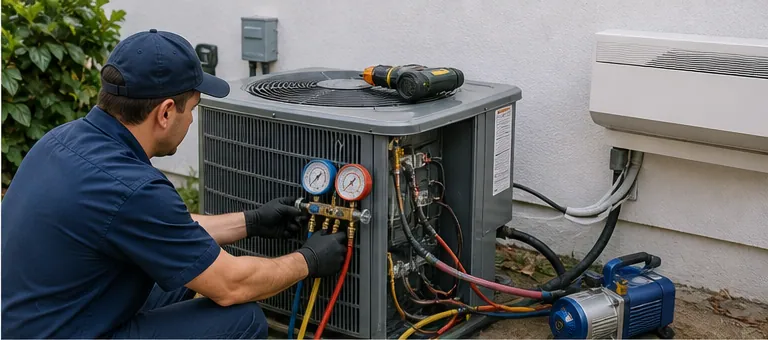
HVAC
Cooling, heating, heat pumps, ductless systems, airflow, indoor air quality, thermostats, and emergency no-cool response.
Loadpath LA Home Services handles HVAC, electrical, and plumbing work around the constraints that actually decide the job: hillside access, panel capacity, shutoffs, old drains, ADU scope, HOA rules, city permits, and inspection timing.
This is built for homeowners and property managers in the Mulholland, northwest Valley, Hollywood Hills, Westside, and Santa Monica Mountains corridor who need a real repair path, not a coupon page that ignores the building.
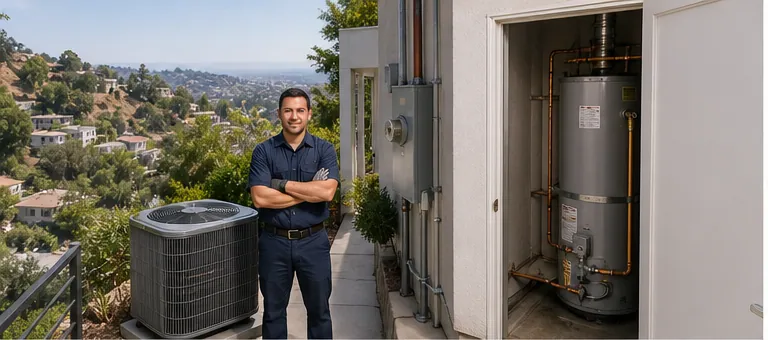
A no-cool call can be an HVAC part, a bad disconnect, an attic duct problem, or a return-air issue. An EV charger request can be a panel-capacity problem before it is a charger problem. A water heater leak can be a venting, drain pan, shutoff, or code-clearance problem before it is a tank price. The site is structured around those dependencies because that is how real LA homes behave.
Los Angeles County also splits by jurisdiction. City of LA addresses often use LADBS and ePlanLA. County pockets, independent cities, coastal areas, and HOA-controlled buildings can follow different permit and access rules. A useful service page should help the owner understand that before a technician is standing in the driveway without the right route, ladder, approval, part, or inspection assumption.
The strongest SEO angle here is not volume for its own sake. It is specificity: each city and city-service page explains the local housing stock, utility context, access friction, emergency triggers, and cost drivers that make the work different. That is how the site avoids doorway behavior while still scaling programmatic pages.
Cooling, heating, heat pumps, ductless systems, airflow, indoor air quality, thermostats, and emergency no-cool response.
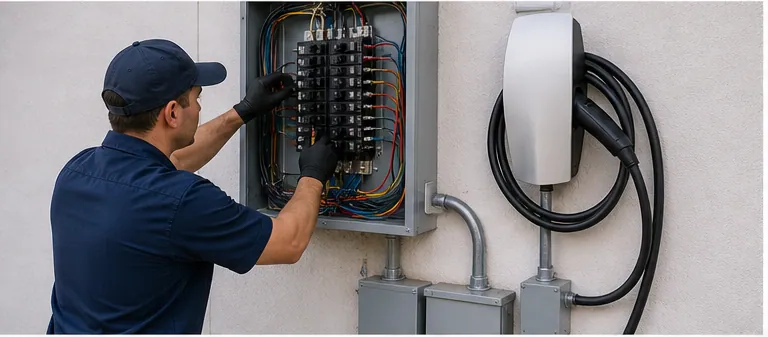
Panels, EV chargers, dedicated circuits, outlets, lighting, rewiring, emergency troubleshooting, and load planning.
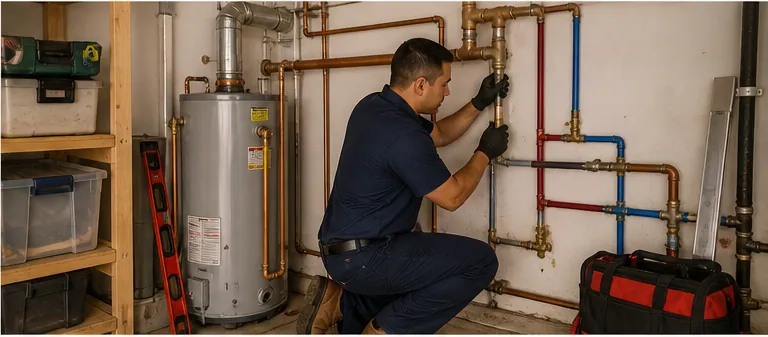
Water heaters, tankless systems, drains, sewers, leaks, repiping, fixtures, and urgent water shutoff problems.
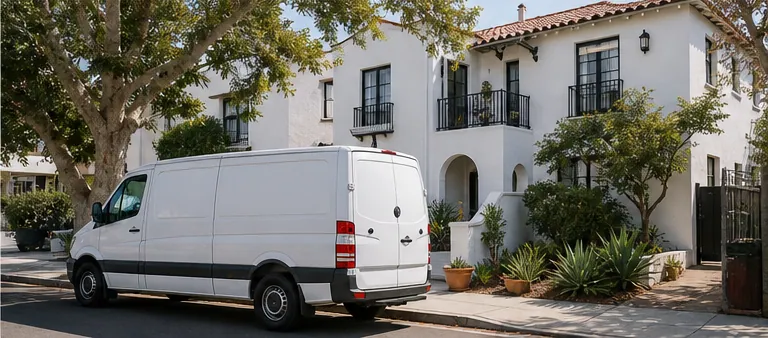
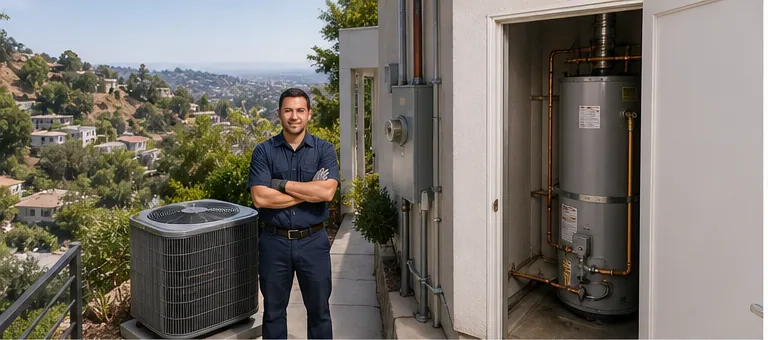
Steep stairs, no curb staging, tight pads, retaining walls, long line sets, and hidden cleanouts can decide staffing and price before a part is even ordered.
Garage conversions and backyard units often tie together mini-splits, dedicated circuits, panel headroom, tankless or heat-pump water heaters, drain capacity, and permit closeout.
Shared shutoffs, roof access, parking, elevator reservations, board approvals, and equipment noise rules can be the real blocker on otherwise ordinary repairs.
Old panels, ungrounded circuits, galvanized pipe, cast-iron drains, wall furnaces, small closets, and plaster walls can make modern replacement work more complicated than the estimate headline suggests.
homes that need diagnosis before anyone pushes a full replacement
Open service pathhomes where equipment age, duct condition, and electrical capacity should be reviewed together
Open service pathowners who need HVAC design tied to panel capacity and permit sequencing
Open service pathhomes that still use gas furnaces, wall furnaces, or attic furnaces and need safety-first diagnosis
Open service pathproperties where routing, condensate drainage, outdoor placement, and electrical capacity matter more than a simple equipment price
Open service pathhomes where the system is not broken, but the air path is failing
Open service pathhomes affected by canyon dust, wildfire smoke, marine moisture, or tight remodels
Open service pathhomes where comfort problems may be controls, not equipment
Open service pathurgent triage where safety and temporary stabilization come before upsell
Open service pathThe coverage set intentionally combines Mulholland and northwest Valley heat-belt homes, Hollywood Hills canyon access, Central-West apartments, Westside ADU work, and Santa Monica Mountains edge conditions. It does not repeat the latest South Bay, Harbor, or core SGV groups.
canyon-gateway city. hot inland afternoons, canyon winds, dust, and wide temperature swings that expose duct leakage and undersized returns
gated estate community. Valley heat, dust, Santa Ana wind, and long run times for cooling equipment
Valley heat-belt neighborhood. some of the strongest heat load in the city, with attic duct leakage and old returns creating no-cool calls
west Valley residential edge. hot, dry afternoons and wind-driven debris that stress condensers, filters, and attic ductwork
mixed residential and light-industrial district. Valley heat, dusty yards, and long compressor run times
northwest Valley foothill district. hot, dry, dusty conditions that make filters, condensers, ducts, and electrical terminations work harder
planned hillside community. hot Valley conditions with wind, smoke, and ridge exposure
north Valley residential district. strong summer heat and attic load, with older duct design often driving comfort complaints
central Valley home and campus market. hot Valley summers, dust, and long AC run times
Valley infill and ADU district. high cooling demand with older ducts, old insulation, and return-air limits
south Valley hillside and ranch mix. heat-belt conditions with hillside sun exposure and long cooling cycles
south Valley hillside and estate district. hot south Valley afternoons with hillside exposure and multi-zone comfort issues
south Valley canyon-to-condo market. warm Valley climate with hillside sun exposure and older duct design
studio corridor and hillside neighborhood. Valley heat moderated by canyon shade in pockets, with airflow issues in older homes
compact lake and studio-adjacent market. Valley heat with compact lots and quiet-equipment expectations
hillside pass corridor. sun exposure, canyon wind, dust, and noise-sensitive equipment placement
luxury hillside and canyon market. sunny slopes, canyon dust, wind, and equipment noise sensitivity
historic canyon neighborhood. canyon shade, dust, wind, and warm exposed slopes
Hollywood Hills canyon pocket. canyon microclimates with sun exposure, shade, wind, and leaf debris
Hollywood hillside residential enclave. sun-loaded slopes, canyon wind, and wildfire-smoke filtration concerns
| Page cluster | Why it earns a page | Example links |
|---|---|---|
| Heat pump + panel + ADU | HVAC electrification often fails unless panel capacity, duct condition, condensate, and permit timing are checked together. | Calabasas heat pump installation |
| EV charger routes | Garage conduit, shared parking, HOA rules, and load management are local constraints, not generic electrical copy. | Porter Ranch EV charger installation |
| Water heater and drain emergencies | Closet leaks, venting, shutoffs, sewer cleanouts, and lower-unit backups vary by building type and access. | Sherman Oaks water heater repair |
Every booking CTA on this site points to the same Nexfield booking URL. No fake internal form is used.
why HVAC electrification fails when panel, duct, and permit planning are separated
how garage conversions and backyard units create multi-trade scope before finishes go in
why stairs, retaining walls, parking, and shutoff locations change the real cost and timing
how shared shutoffs, roof access, parking, and board approvals affect service calls
"The AC repair visit in Calabasas stayed practical from the first call. We mentioned the Calabasas Highlands access issue, and the technician checked compressor or fan motor condition before pricing bigger work. Because heat pump load planning was documented with photos, the estimate separated immediate stabilization from the follow-up scope."
"Our south Valley hillside and estate district near Amestoy Estates had more access issues than expected, but the thermostat and controls scope stayed clear. The technician explained how sensor placement affected the labor and why multi-zone AC had to be checked before we approved anything. In the end, the notes gave our property manager enough detail to approve the next step."
"The technician started with the route, shutoff, and equipment location instead of jumping straight to a menu price. For dedicated circuits in Beachwood Canyon, that mattered because conduit route and airflow imbalance could have changed the scope. The best part was that the technician explained what was safe to use and what needed to stay off."
"For a Larchmont Village property around Melrose Avenue edge, the visit felt organized and specific. The repair option, replacement trigger, and repair method issue were all written down. We also appreciated that old wiring was treated as a real field condition, not a generic warning, so the written scope made the repair-versus-replace decision much easier."
"We sent photos before the appointment, and it helped. The furnace repair visit focused on venting route, the Mar Vista Hill access route, and the local concern around heat pump conversion instead of guessing from the service label alone. That made the final recommendation useful because the visit avoided a second trip because the access issue was handled early."
"The estimate separated diagnosis from follow-up work, which mattered for our West Hills home. A simple EV charger installation request turned into a better conversation about wire length, compressor stress, and access near Castle Peak. There was no pressure, and the photos and closeout notes matched what we saw at the house."
These references are used to frame permit, safety, energy, utility, and inspection context. They do not replace field diagnosis, but they keep the page useful and verifiable.